
Maya Bay reopens on Thursday. The Similans wait until 15 October.
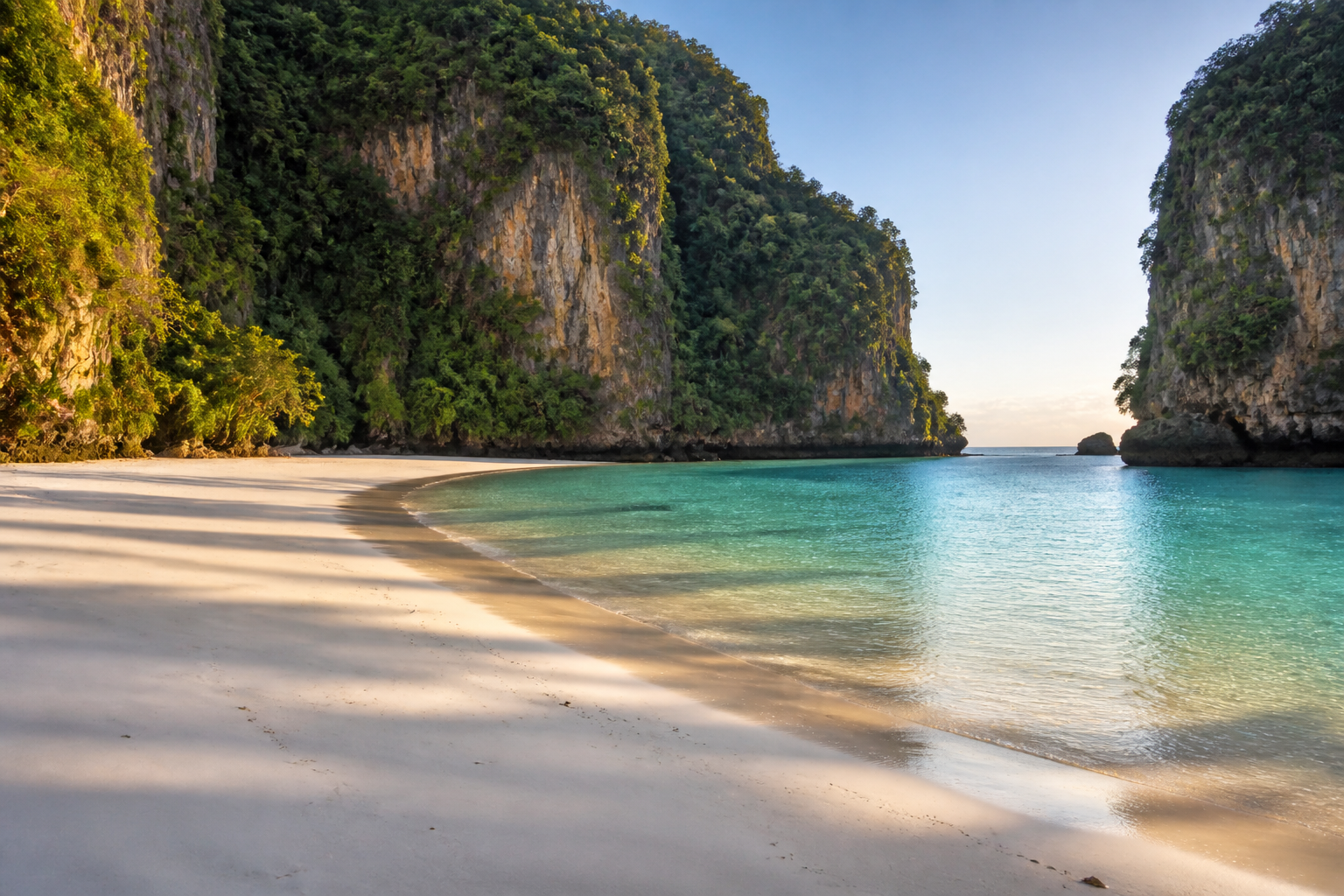
Maya Bay reopens on Thursday, 1 October, after its annual two month closure. The Similan and Surin islands stay shut for another fortnight and come back on 15 October.
Those two dates decide the shape of any Phuket or Krabi trip taken in the next six weeks. Worth knowing before you pay for a boat, because October itineraries are still being sold with islands on them that are not open yet.
What opens, and when
Maya Bay is on Phi Phi Leh, inside Hat Noppharat Thara Mu Ko Phi Phi National Park. The park shuts the bay every year from 1 August to 30 September so the reef gets two months without boats. Time Out Bangkok reported the 1 October reopening on Tuesday, and Phuket and Krabi operators are selling the bay from that date.
Open is not the same as restored. Swimming is still banned. You can wade to knee depth and no further, and boats no longer beach on the sand: they dock at Loh Samah Bay on the far side of the island and you walk five to ten minutes on a boardwalk through the trees. Operators give you about an hour there. The park lists attraction hours of eight in the morning to half past four.
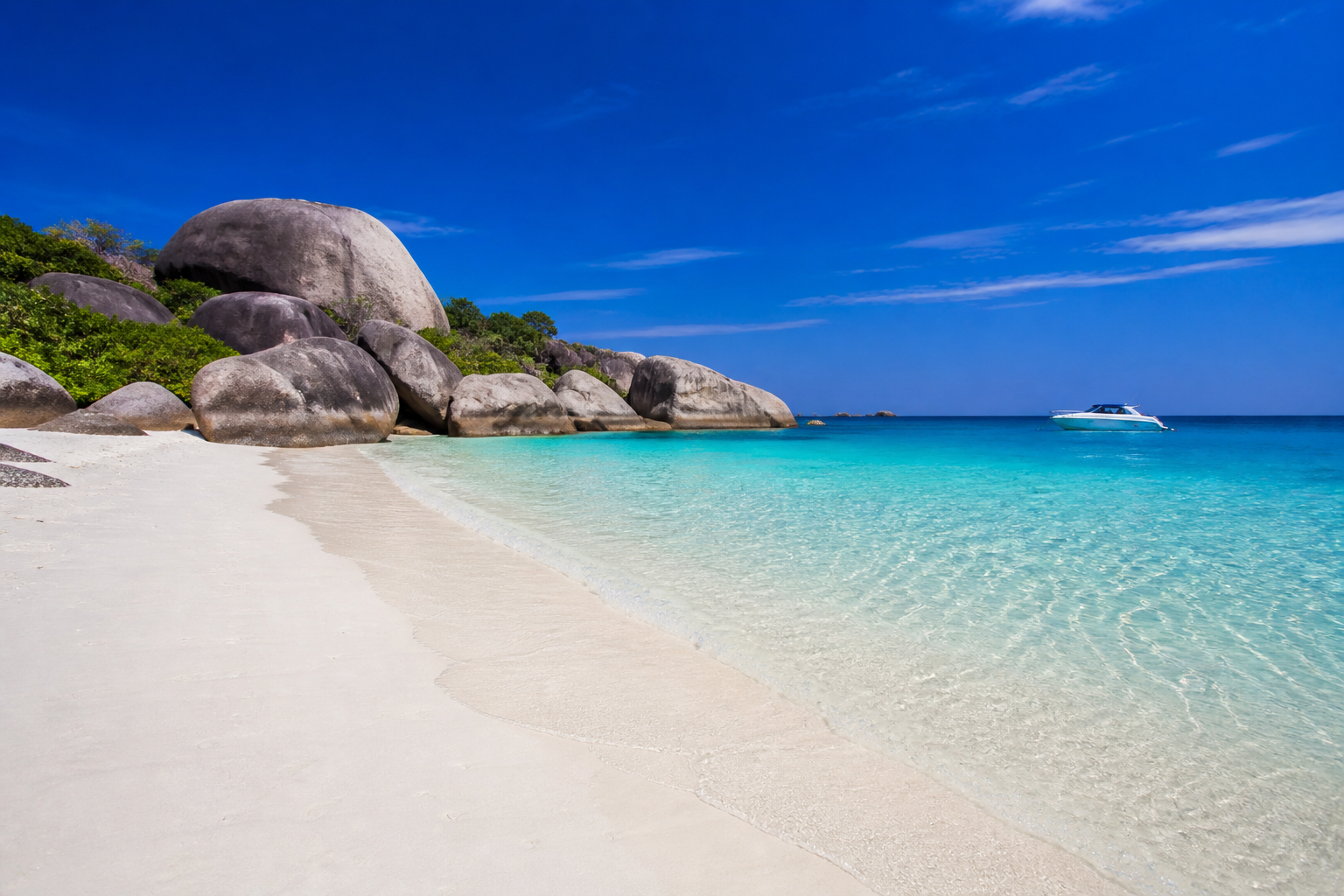
The Similans and Surins are the bigger reopening. The Department of National Parks closed both on 15 May and set 15 October as the date they come back, which the Nation Thailand reported in May as a five month shutdown for monsoon safety and reef recovery. Their published season runs 15 October to 15 May. The Similans admit 3,325 people a day, nobody sleeps on the islands, and you can land on two of them: Ko Miang, island number four, and Ko Similan, number eight. Ko Tachai stays closed and no reopening date has been announced. At Surin, everything on land except the Moken village and the campsites is off limits, with a 2,000 baht penalty attached.
The scale here is easy to underestimate. The Nation put the previous Similan season at more than 400,000 visitors and over 215 million baht in revenue, more than nine tenths of it from foreigners. A cap of 3,325 a day against a market that size is why I would book the Similan boat before I booked the hotel.
The money that is not in your tour price
National park fees are charged separately at the pier, in cash, and they are the line most Indian travellers miss.
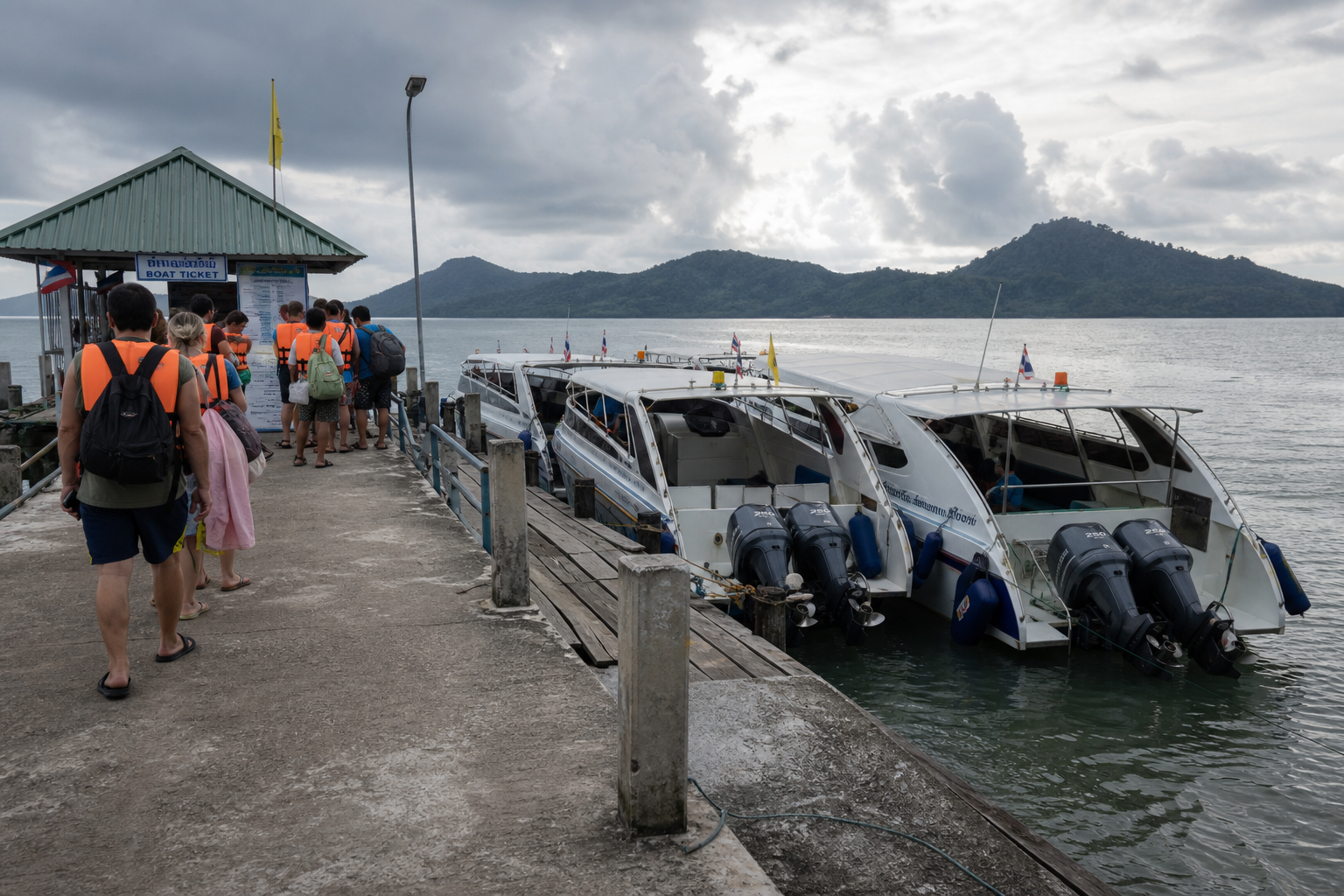
The marine sections of the Phi Phi park, which is where Maya Bay sits, charge a foreign adult 400 baht and a child of three to fourteen 200, about ₹1,140 and ₹570 at 2.85 rupees to the baht. The mainland beach sections of the same park charge half of that, and that is the source of the lower numbers you find online. Similan and Surin each charge 500 baht for an adult and 250 for a child, roughly ₹1,425 and ₹710. Thai nationals pay 40 baht at Phi Phi and 100 at the Similans, so the dual pricing is real and it is not negotiable.
Read our own Phi Phi listing carefully, because it shows you exactly this trap. The trip runs ₹3,625 with hotel transfer, halal lunch and snorkelling gear, and the exclusions line says national park fee, 40 THB. That 40 is the Thai rate. Budget 400 baht a head instead and you will not be short at the ranger booth.
One more thing on that trip, and it matters more than the fee: the operator does not accept passengers over 60 or infants under one. If you are travelling with parents, this is not the Phi Phi boat for you, and finding that out at the pier is a bad morning.
The Similan day trip is the one I would spend on. At ₹5,908 from Phuket or Khao Lak it includes the park fee, the transfer, breakfast at the pier and buffet lunch on the beach at Ko Miang, which means the 500 baht is already paid and the day has no surprises in it.
If you are flying from India this winter
Phuket has nonstop service from six Indian cities: Delhi, Mumbai, Bengaluru, Chennai, Kochi and Hyderabad, flown between them by Air India, Air India Express, IndiGo, Akasa Air, Thai AirAsia and Thai VietJet. Base yourself there rather than in Krabi. Krabi sits closer to some of the boats, and every one of those flights lands in Phuket.
Diwali falls on Sunday 8 November this year, which puts the Indian peak three to four weeks after the Similans open. That gap is the useful part. The parks reopen into the quietest fortnight of the season, and if your leave allows a trip in the second half of October you get the islands at their emptiest and fares before the Diwali spike.
Paperwork is light. The Thailand Digital Arrival Card is compulsory, free, and filed no more than 72 hours before you land, at tdac.immigration.go.th. Anything charging you for it is not the government.
Reopening dates are permissions, not promises. The park says you may go. The sea decides whether you do.
The forecast disagrees with both dates
On Tuesday the Thai Meteorological Department warned of widespread rain across northern and southern Thailand between 5 and 10 October, with flash flooding and mudslides in low ground, and waves over two metres in the Andaman Sea during thunderstorms. Two metres cancels speedboat day trips. It does not close the park, but it empties the pier.
So plan the boats for the back half of your trip rather than the front. A cancelled trip on day five has a rebooking day behind it. A cancelled trip on day one usually means a refund and a gap you fill badly.
Keep a sheltered day in reserve. Phang Nga Bay is inside the limestone, sits in flatter water than the open Andaman, and runs when the outer islands do not.
James Bond Island at ₹3,625 is the straight swap for a cancelled Phi Phi day. Koh Khai at ₹2,029 is the cheapest way to get in the water near Phuket, and a short hop rather than a long crossing, which is what you want when the swell is up. Cheow Lan Lake with Samet Nangshe at ₹8,383 is the expensive one and the only one that ignores the sea completely, since it pairs the Cheow Lan reservoir in Khao Sok with the Samet Nangshe viewpoint over Phang Nga Bay.
What is still not settled
Two things are worth watching rather than acting on.
The first is the 450 baht arrival fee, about ₹1,280. Public consultation ran from 24 August to 28 September and closed on Monday. The Ministry of Tourism and Sports still needs the National Tourism Policy Committee to approve the framework and the cabinet to sign it, and collection takes effect 180 days after publication in the Royal Gazette. Air arrivals are expected to start paying in 2027, land and sea roughly a year after that. One payment covers multiple entries in a 30 day window, and children under two are exempt. None of this touches a trip taken this winter.
The second is the reopening itself. Both the Similan and Surin dates come from the park authority's published season, and parks in Thailand close early or for a day at a time when the weather turns. Reconfirm the first operating day with your operator in the week before you fly, and ask specifically whether the boat is going, not whether the park is open. They are different questions.
Prices come from the live catalogue and from park, operator and government pages checked on 30 September 2026, converted at roughly 2.85 rupees to the baht. Park fees are paid in cash at the pier and the posted rate is the one that counts.