
Thailand has put a ₹1,300 entry fee out for comment. It closes on 28 September.
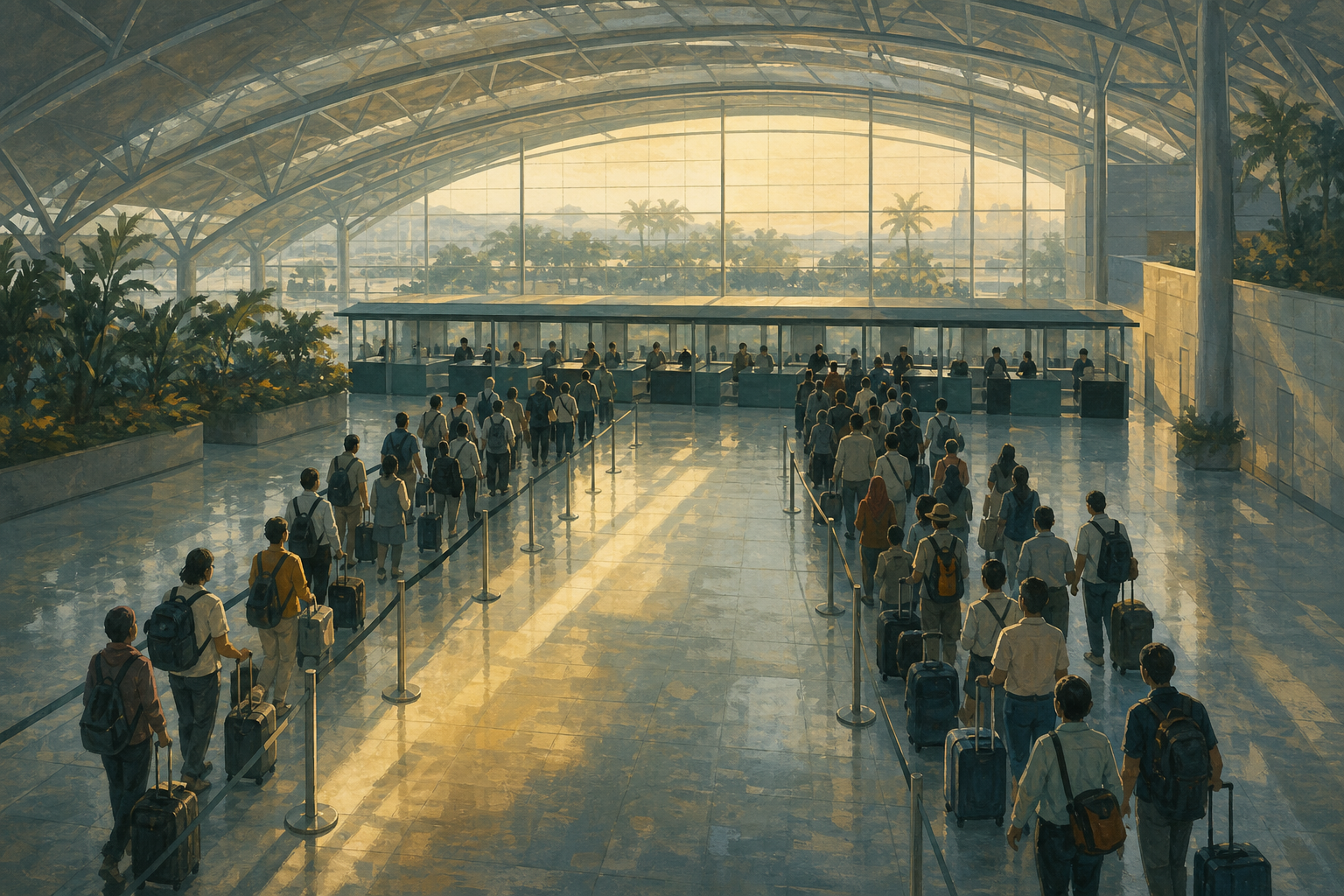
Thailand's Ministry of Tourism and Sports has put a flat 450-baht fee on every foreign arrival out for public comment, and the comment window shuts on 28 September. At today's rate that is about ₹1,300 a head, once per trip, on top of everything else you are already paying to get there.
It is not law yet and nobody is collecting it this winter. But this version has travelled further than any of the ones before it, and the phasing the ministry has published points at the first quarter of 2027 for air arrivals. If you are booking Thailand for next summer rather than this Diwali, this is your fee.
What is actually on the table
The National Tourism Policy Committee endorsed the draft principles on 14 August, confirmed publicly that Friday by Deputy Prime Minister and Commerce Minister Suphajee Suthumpun. The ministry then opened a 30-day public hearing, 24 August to 28 September, on law.go.th and the permanent secretary's site at secretary.mots.go.th. After that the draft goes back to the committee, then to Cabinet, then to the Royal Gazette.
The numbers in the notification:
- 450 baht per person, flat. No split between air, land and sea, which is the new part.
- Air arrivals pay first, 180 days after the notification is gazetted. Officials have been pointing at the first quarter of 2027.
- Land and sea crossings follow roughly 360 days after that, deliberately, so the border queues do not seize up on day one.
- Pay once and you can leave and re-enter Thailand as often as you like inside 30 days without paying again, as long as the insurance attached to it is still running.
- Exempt, according to the Nation's reading of the draft: diplomats, official state guests, work permit holders, transit passengers, crew and children under two.
The earlier version, the one that kept getting postponed, was 300 baht by air and 150 by land or sea. The ministry blames inflation and the cost of the insurance the fee now carries. Tourism Minister Surasak Phancharoenworakul has said the money is for upgrading infrastructure and safety standards so the sector stops leaning entirely on the state budget.
Nobody has decided how you will pay it
This is the part that decides whether the fee is an annoyance or a genuine mess. Four options are live: folding it into the airfare, a website or app, payment kiosks at the airport, or bolting it onto the Thailand Digital Arrival Card. Skift reported that airline groups favour the arrival card, which is the sane answer. You already have to file the TDAC within 72 hours of landing, it is free, and adding a payment step there beats installing kiosks at Suvarnabhumi.
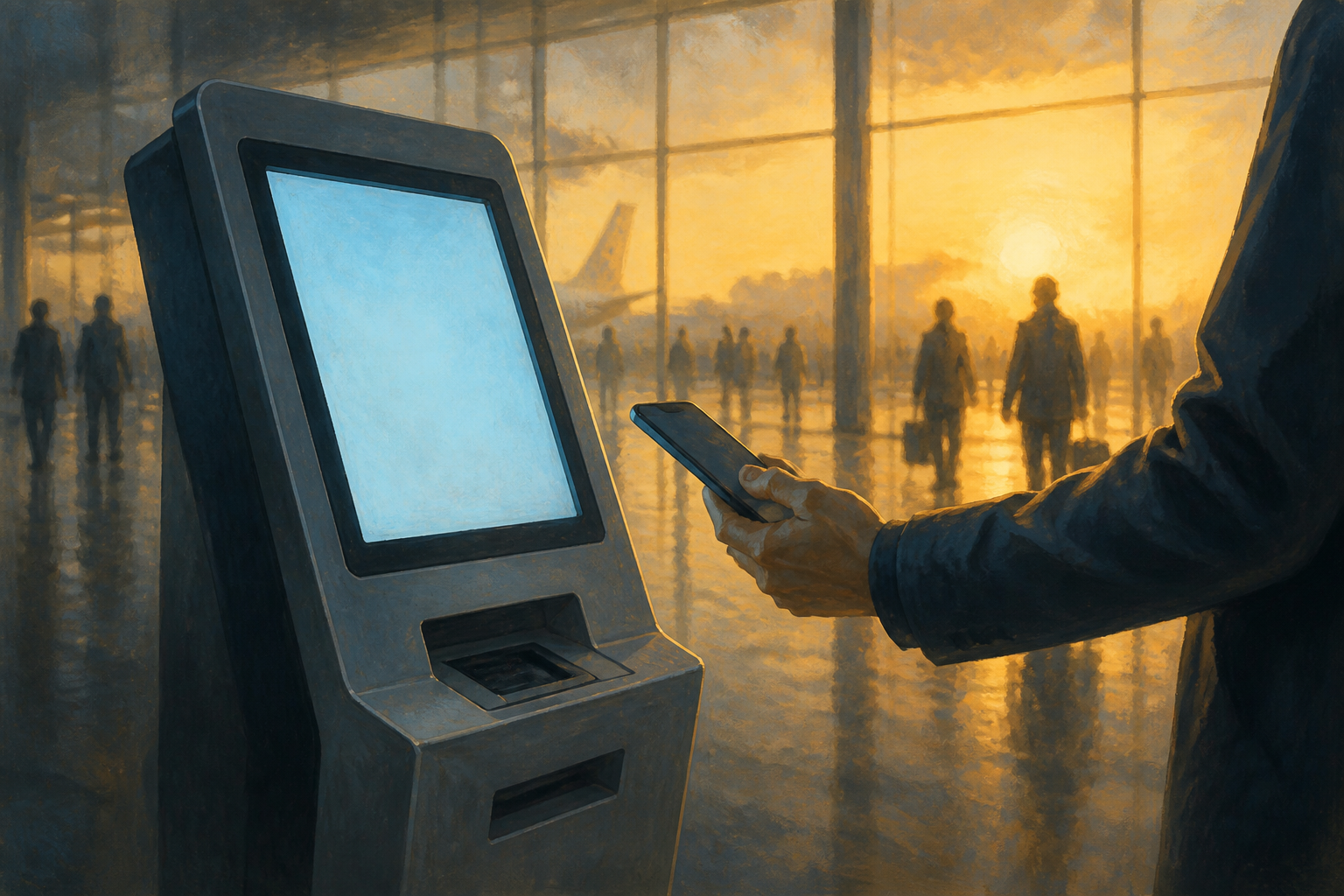
The airfare option would be invisible, which is convenient, and also makes the fee easier to raise later without anyone noticing. The kiosk option is the one that worries me. If you have ever queued at Don Mueang at one in the morning behind three delayed flights, you know why.
What it costs an Indian family
One baht is about ₹2.88 today. So 450 baht is ₹1,296 a head, and a family of four with both children over two pays 1,800 baht, near enough ₹5,200. That is not trip-changing money. It is also not nothing, and it lands on a list that has been getting longer.
Thailand has already shortened what Indians get for free: the visa-free stay was cut from 60 days to 30 on 15 September. And Indians are the market Thailand is chasing hardest. The country took 2.48 million Indian arrivals in 2025, up nearly 17 per cent, and is targeting 2.7 million in 2027. Charging the market you are courting is a choice, and Thailand is making it because the overall picture has gone the wrong way: arrivals fell to 33 million in 2025 from 35.5 million the year before, against a pre-pandemic peak of 40 million.
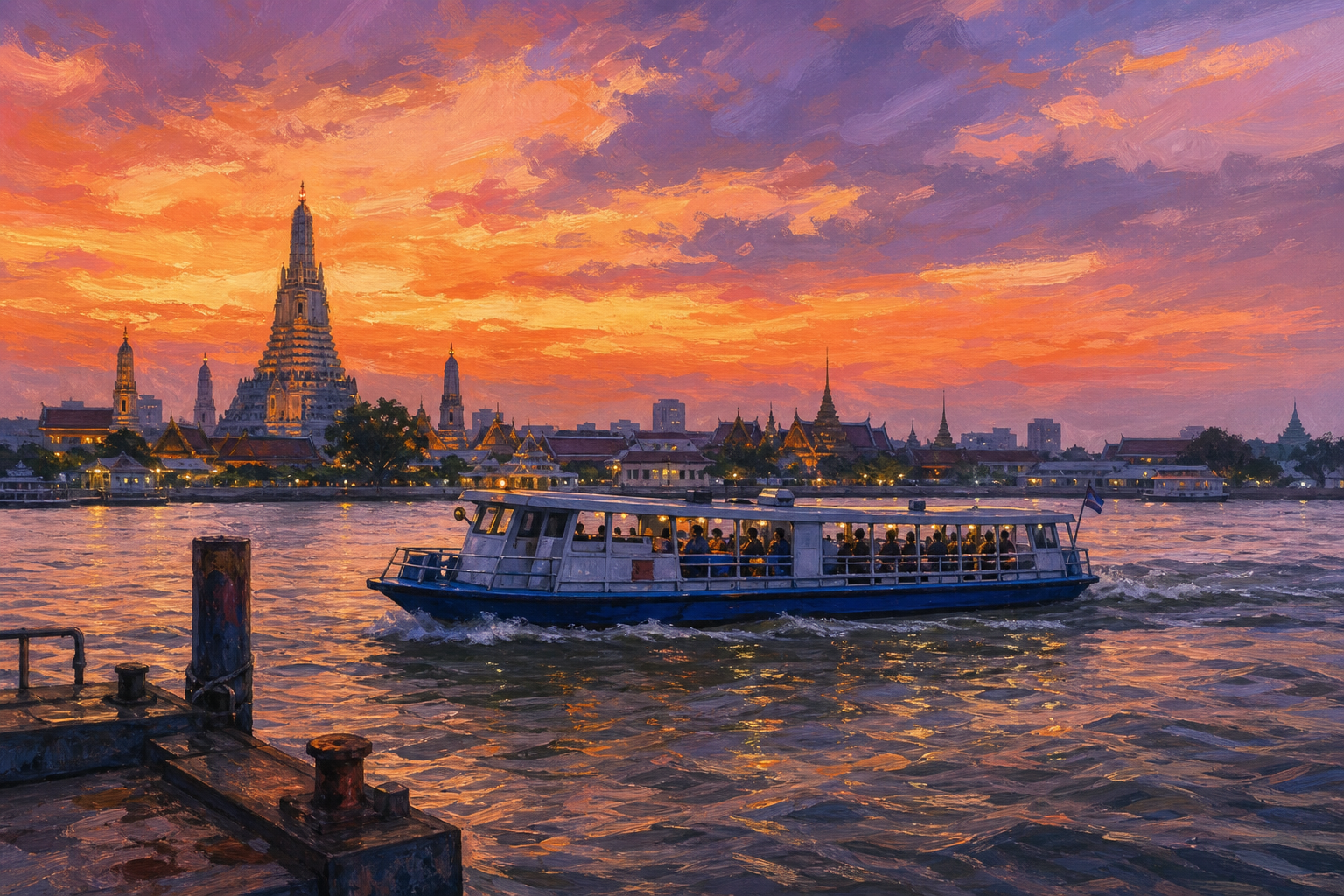
It helps to see what ₹1,300 is next to in Bangkok. The Chao Phraya hop-on boat is the one that embarrasses the fee: a full day of river transport for around ₹370, and a better way to reach Wat Arun than any taxi you will find. The Sea Life and Madame Tussauds bundle is the wet-afternoon insurance policy for anyone travelling with children, and at about ₹350 for both it is the cheapest hour-filler in the city. Safari World deserves a real day, and at roughly ₹2,600 it costs twice the fee, which is a useful measure of how small the fee is.
The insurance is the interesting part
The fee is not purely a tax, and that is what makes this draft different from its predecessors. Insurance is attached to it. Siam Legal's reading of the proposal describes three tiers: basic accident and emergency cover for every visitor who has paid, optional top-up cover for high-risk activities such as diving, rock climbing and bungee jumping, and compulsory third-party liability on rented vehicles.
That last one matters more than it sounds. Officials have put the state's annual bill for treating foreign nationals at 300 to 400 million baht, and a large share of that is scooters. If this fee ends up forcing third-party cover onto rented bikes in Phuket and Samui, it will have earned its keep whatever you think of the principle.
Two warnings. Do not read the basic tier as travel insurance: no coverage amounts have been published, and until they are, buy your own policy exactly as you would have. And the high-risk list names diving, climbing and bungee, which leaves most of what people actually book in Phuket unaddressed. Ziplines and sea kayaking are on half the itineraries out of Mumbai and appear on nobody's list.
Both are worth doing anyway. Hanuman World is the good version of a zipline morning, up in the rainforest above Kathu rather than cables strung over a car park, and at about ₹970 it is the cheapest memorable thing in Phuket. The Phangnga Bay kayak day is the opposite purchase, close to ₹9,500 and worth it, because paddling into the hongs at low tide is the one Phuket experience photographs undersell.
What to do about it
- Trips before roughly March 2027 are almost certainly unaffected. The 180-day clock starts only when the notification is gazetted, and that has not happened.
- Booking a 2027 trip through an agent now? Ask in writing whether the quoted price includes the tourism fee. Contracts written today do not mention it, and somebody will be asked to absorb it later.
- Budget 450 baht a head for everyone over two from mid-2027, and nothing for infants.
- File the TDAC yourself at tdac.immigration.go.th. It is free, it is mandatory for all foreign nationals by air, land and sea, and it goes in within 72 hours of arrival. Fake sites already charge for it. If the fee is bolted on here, they will charge for that too.
- The hearing is open until 28 September at law.go.th, and it is not restricted to Thai citizens.
What is still unsettled
More than the headlines suggest. The exemption list comes from the draft, but Siam Legal notes that the 14 August committee decision did not reconfirm it, so treat it as likely rather than locked. The collection mechanism is undecided. The insurance coverage amounts have not been published. Even the revenue estimates disagree: the Association of Thai Travel Agents put the annual take near 10 billion baht, while reporting that works off 33 million arrivals lands closer to 14.8 billion.
And this fee has been announced before. Skift called it a six-year saga, which is fair: a version of it has been surfacing, acquiring a start date and then slipping since around 2019, most recently when Thailand pushed it into 2026 as arrivals dipped. This draft has gone further, with a real consultation and published phasing, but it still has to clear the committee, the Cabinet and the Gazette.
Assume it happens, budget the ₹1,300, and do not let anyone quote you a 2027 package as final until the Gazette has spoken.
Then stop thinking about it. A fee this size changes nobody's mind about Thailand, and pretending otherwise is how travel news gets silly. What it changes is what to expect at the airport in 2027, and whether the money ever reaches the beaches it is meant to clean.