
AirAsia X stops flying Delhi to Kuala Lumpur on 25 October. One seat in five on the route goes with it.
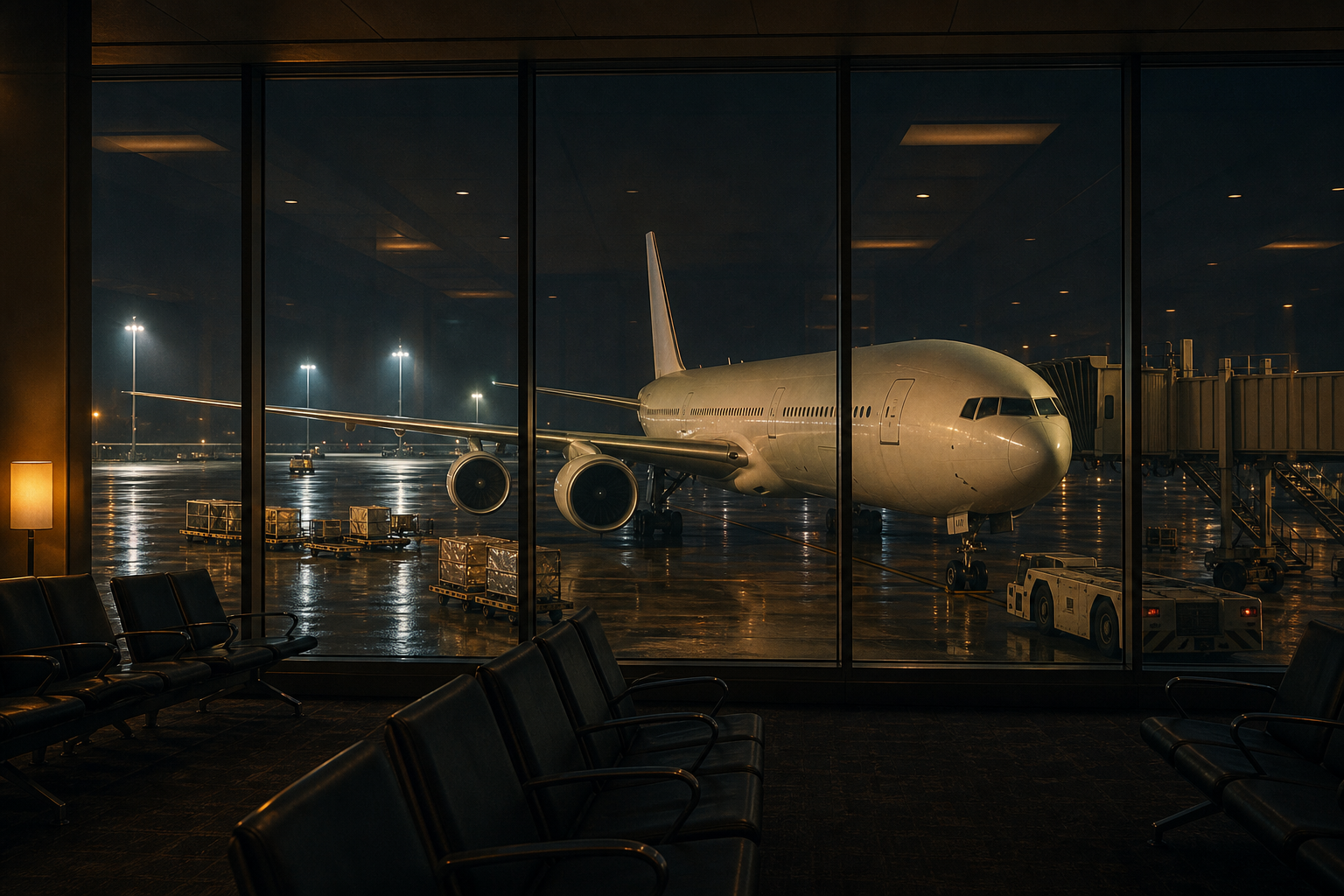
AirAsia X flies Delhi to Kuala Lumpur four times a week on a widebody. It stops on 25 October and is not coming back this winter.
AeroRoutes spotted the cancellation in the filed schedules on 24 August: no service on the route from 25 October, which is the first day of the northern winter season. TRAICY reported the last departure as 23 October. Aviation Week carried the same end date two days later. If you have a flight on this route in the last week of October or anything after it, your booking is already void, whether or not you have noticed.
What exactly stops
The flights are D7182 and D7183, four a week on Mondays, Wednesdays, Fridays and Sundays, flown by an Airbus A330-300. D7182 leaves Kuala Lumpur at 6.50pm and lands in Delhi at 10.10pm. D7183 comes back out of Delhi at 11.30pm and reaches Kuala Lumpur at 7.40 the next morning.
AirAsia X calls it a "network optimisation strategy to support long-term network sustainability" and says it will keep reviewing schedules as market conditions change. Three options were published for people already holding tickets, as reported by the Malaysian site Places and Foods on 27 August:
- A full refund to the original payment method.
- A credit account valid for 730 days, which needs an AirAsia MOVE membership.
- One free flight change within 90 days, on the same route, subject to availability. On a route that is closing, read that third option carefully before you pick it.
Passengers were to be contacted on the details in the booking. If you bought through an agent, the agent holds the file and you chase the agent, not the airline.
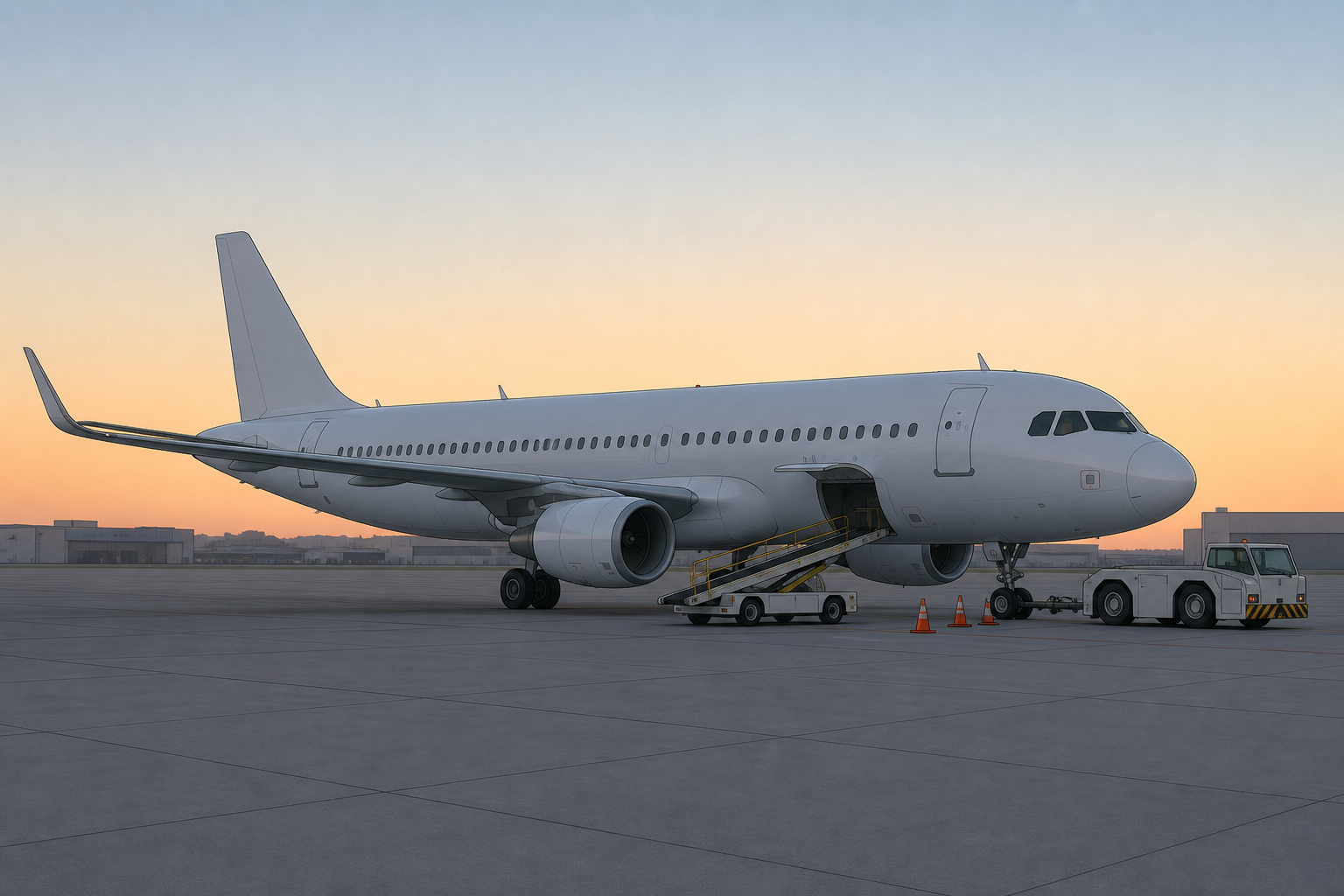
Why it happened, which is not what you would guess
This is not Delhi being judged a weak market. AirAsia Group lost RM527.16 million in the quarter to 30 June, about ₹1,240 crore at today's rate of ₹23.53 to the ringgit, on revenue of RM5.08 billion. Fuel went up 66 per cent on the previous quarter to RM2.80 billion, which the group put down to the conflict in West Asia, and a further RM330.97 million went in foreign exchange losses as regional currencies fell against the dollar.
The response was to cut. The group said in August it would take 20 to 25 per cent of its seats out year on year in the third quarter and hand back 25 older aircraft to lessors during the financial year. Aviation Week recorded AirAsia X at 34.2 per cent below last August on capacity, with its route count down from 21 to 17. Kuala Lumpur to Tashkent ended on 2 September after less than a year. Sydney goes in late October. Seoul moves across to AirAsia's narrowbody operation. Replacement aircraft, the A220 and the A321XLR, are not due until 2028.
So Delhi is one line in a shrinking airline's spreadsheet. That matters for the obvious reason: a route cut for fleet reasons comes back when the fleet does, and a route cut for demand reasons usually does not.
What it costs you
Network Thoughts, which reads these filings closely, put the seat split on Delhi to Kuala Lumpur before the exit at Malaysia Airlines 38 per cent, Air India 24 per cent, AirAsia X 20 per cent and Batik Air Malaysia the rest. One seat in five on the route is about to leave in a single week.
Some of it comes back quickly. The same analysis has Air India going from 10 weekly flights to 14, double daily, from 1 November. AeroRoutes flagged an Air India expansion at Kuala Lumpur for the winter season on 28 September. Four weekly A320neo rotations against four weekly A330 rotations is the same number of departures and considerably fewer seats, because the aeroplane is half the size.
That leaves a specific hole. Between 25 and 31 October the route runs without AirAsia X and without Air India's extra flights. One week, at the start of the winter season, with three carriers instead of four. If your dates are flexible by a few days, that is the week to move off.
Two other things change with the fourth airline gone. AirAsia X sold this route unbundled, so the bag, the seat and the meal were all extra, and the fare you saw first was not the fare you paid. Price what is left on the all-in number. And the group's own connecting traffic through Kuala Lumpur, which is how a Delhi passenger reached Bali or Melbourne on one low-cost booking, loses its widebody feed from Delhi.
The demand side has not softened at all, which is why this stings. Malaysia's High Commissioner to India, Datuk Muzafar Shah Mustafa, said in May that India sent 1.56 million visitors in 2025, up almost 15 per cent on 1.36 million the year before, and that Visit Malaysia Year 2026 is aiming at about 2.1 million. Visa-free entry for Indians runs until 31 December 2026. Record demand, a marketing year, free entry, and one of four airlines walking out three weeks before the peak.
What to do about it
- Check any Kuala Lumpur booking made before late August, especially one bought through an agent. The flight numbers to look for are D7182 and D7183.
- Take the refund rather than the credit unless you fly AirAsia often. A 730-day credit tied to a loyalty account is worth less than money if your next trip is on another airline.
- If you are booking now, avoid 25 to 31 October. The first week of November has four more Air India flights in it.
- Hold a flight number, not an announcement. Filed schedules are filings. Air India's increase is in the system, not in the air.
- Book the Kuala Lumpur end before the fares move. Hotel and activity prices in the city do not care which airline carried you.
On that last point, Kuala Lumpur is a cheap city to fill once you are in it, and the catalogue reflects that.
The half-day city tour at ₹897 is the one I would book on a first trip, and only on a first trip: it is four hours of orientation, and after that you can work the city on the LRT yourself for the price of a coffee. Batu Caves at the same ₹897 is the better pick if you have been to Kuala Lumpur before. Go early, the 272 steps are a genuine climb in that humidity, and the monkeys will take food out of your hand. Skyline Luge at ₹1,592 is at Gamuda Cove, forty minutes out of town, and it is for one audience only: a family with children between eight and fourteen who have been dragged round enough temples.

One booking to think about rather than add to the basket.
The Cameron Highlands day tour at ₹7,947 is the most expensive thing we sell out of Kuala Lumpur and it is four hours up and four hours back for tea plantations and cool air. Worth it if you are in Malaysia for a week and want one day out of the heat. A poor trade on a three-night trip, where it eats a third of your holiday in a van.
What is still unclear
Whether AirAsia X returns. The airline has said nothing about coming back to Delhi, the A321XLR that could fly the route efficiently is a 2028 aircraft, and Aviation Week's note on the fleet makes 2027 look unlikely. Treat this as a multi-year absence until the airline says otherwise.
Whether anyone else backfills the widebody. Malaysia Airlines and Batik Air both have A330s on the route already and neither has announced extra flights for the winter. Twenty per cent of the seats are available to whoever wants them.
And the visa. Malaysia's visa-free entry for Indian passport holders expires on 31 December 2026 and nothing has been published about 2027. That is a separate decision from any of this, and it is the bigger one.
An airline leaving because it is short of aeroplanes is better news than an airline leaving because it is short of passengers. It is still four fewer flights a week in the month you were going to fly.
If Kuala Lumpur is on your winter list, the practical version is short. Check your booking today if it predates September. Fly in November rather than the last week of October. And get the Malaysian side of the trip paid for while the visa question is still a 2027 problem.
Route, flight numbers, times and dates were read on 4 October 2026 from AeroRoutes' schedule note of 24 August, Aviation Week's report of 26 August, TRAICY and Places and Foods on the suspension and the passenger options, and Network Thoughts' market analysis of 18 September. Financial figures come from AirAsia Group's second-quarter results of 13 August as reported by Malay Mail and The Edge Malaysia. Arrival numbers and the 2026 target come from TravelDailyNews Asia's report of the High Commissioner's remarks in May. Ringgit converts at about 23.53 to the rupee, which moves. Our prices are today's, so trust your voucher over this page.