
Thailand's ₹1,290 entry fee cleared its public hearing. Fly in and you pay it a year before anyone who drives.
Thailand's tourism ministry published the results of its public hearing on the 450-baht entry fee this week. Of 5,954 people who responded, 78.3% backed the charge itself and 80.5% backed the draft law around it.
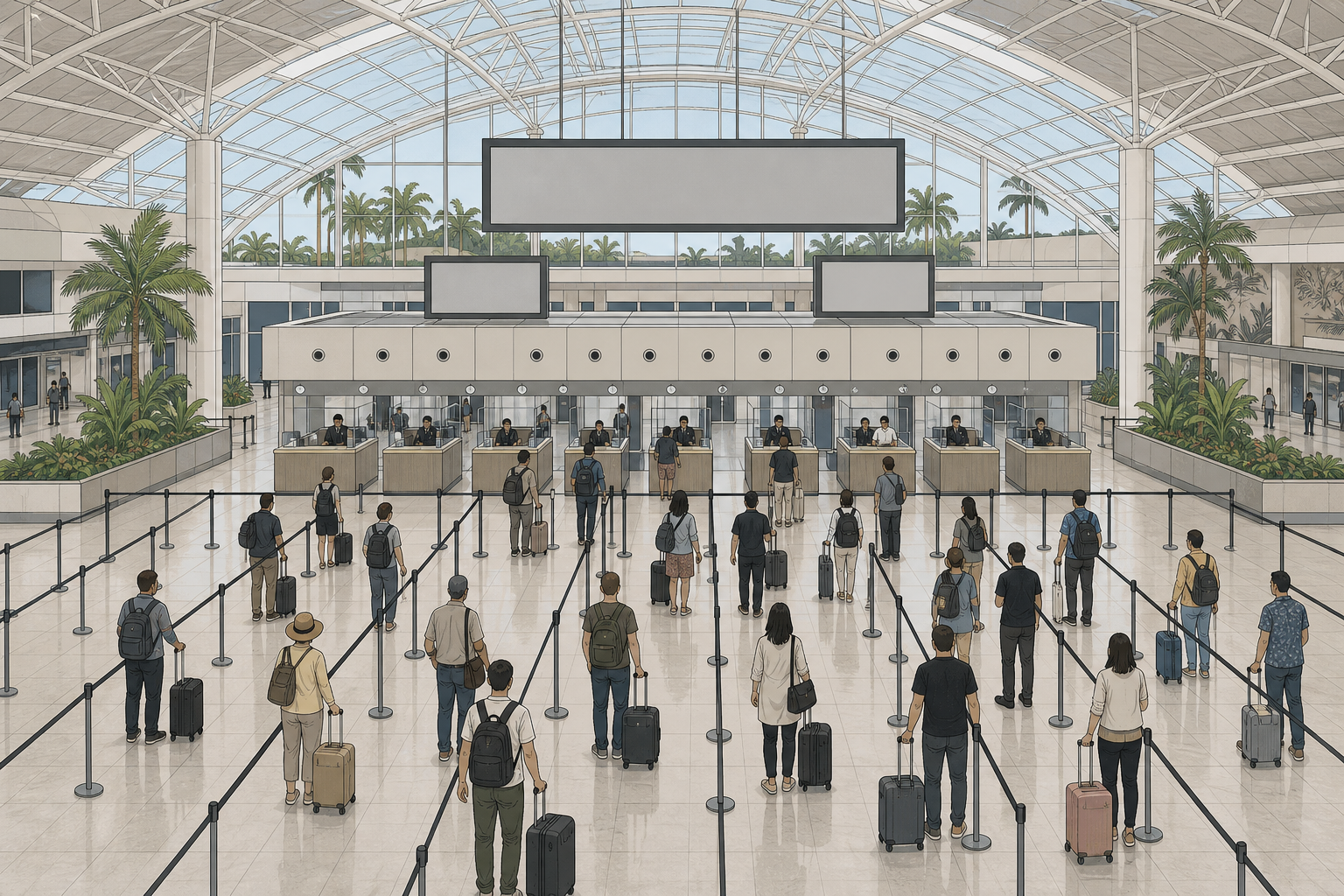
That is the fee moving from proposal to paperwork. It is not in force and still needs two more approvals, but the hearing stage is done, and the version that came out of it has a detail worth your attention. Air arrivals pay from the start. Land and sea borders get a year's grace. Every Indian flying to Bangkok is in the first group.
What the hearing found
The consultation ran from 24 August to 28 September on the government's law portal and the tourism ministry's own site, and the Bangkok Post reported at the time that foreigners were given a say in it as well as Thais. Minister of Tourism and Sports Surasak Phancharoenworakul put the results to a meeting on 6 October, and The Nation and the Thaiger both carried the numbers the same day.
On how the money should actually be collected there was no winner: 36.26% preferred it built into the air ticket, the most popular option rather than a majority one. Two other things stayed open. Respondents split on whether air, land and sea arrivals should pay the same amount, and Thai businesses asked for exemptions for border traders and frequent crossers that the draft does not give them.
The mechanics, as drafted
- 450 baht a head, about ₹1,290 at ₹2.87 to the baht, the rate on 6 October.
- Air arrivals first. Collection at land and sea borders is deferred by a year.
- One payment covers 30 days. You can leave and re-enter inside that window without paying again, as long as the insurance that comes with it is still running.
- Insurance is attached, covering death and medical expenses subject to the policy terms. The terms have not been published.
- Exempt: state guests, diplomatic passport holders, work permit holders, border pass holders, transit passengers, crew, and children under two.
- Timing: collection starts 180 days after the law appears in the Royal Gazette. The ministry has been aiming at the first quarter of 2027.
The ministry's arithmetic: air arrivals alone raise more than 12 billion baht a year, of which about 8 billion survives collection costs and insurance premiums. The 8 billion is the number the fund is built on.
What it costs you
₹1,290 per person, per entry, with a 30-day window. For two people that is ₹2,580. For four it is ₹5,160, before you have bought a ticket to anything.
Small on its own. The trouble is that it is the third thing added to an Indian passport in a year. Since 15 September Indians get 30 days visa-free instead of 60, and the old visa on arrival went at the same time to stop the two schemes overlapping. The Thailand Digital Arrival Card is compulsory within 72 hours of arrival. Now a 450-baht charge queues behind both. None of it is hard. Together it is why Thailand no longer feels like the country you decide on a Thursday and fly to on a Friday.
Scale it up and the appeal is obvious. Thailand took more than 22 million foreign arrivals from January to September this year, worth over a trillion baht. Indians were 2.49 million of last year's total against a 2.55 million target for 2026, the fourth-largest source market. At 450 baht a head, Indians alone would put about 1.15 billion baht a year into the fund.
What ₹1,290 buys at the gate, once you are inside:
The SEA LIFE and Madame Tussauds combo at ₹352 costs less than the SEA LIFE ticket alone, which tells you how pricing works in central Bangkok. Tiger Park with Big Buddha at ₹1,055 comes in under the proposed fee, which is a useful way to feel what 450 baht is. Aquaria Phuket at ₹3,687 is sold to you as a non-Thai resident, at a non-Thai price. Thailand has charged foreigners more at the ticket window for years. The entry fee moves that principle to the border.
The part I would argue with
Thailand is about to charge every foreign flier on the strength of 5,954 responses, against more than 22 million arrivals in nine months. That is one response for every 3,700 people walking through the door, and a 78% yes from a self-selecting online sample is not a referendum result, whatever the next press release calls it.
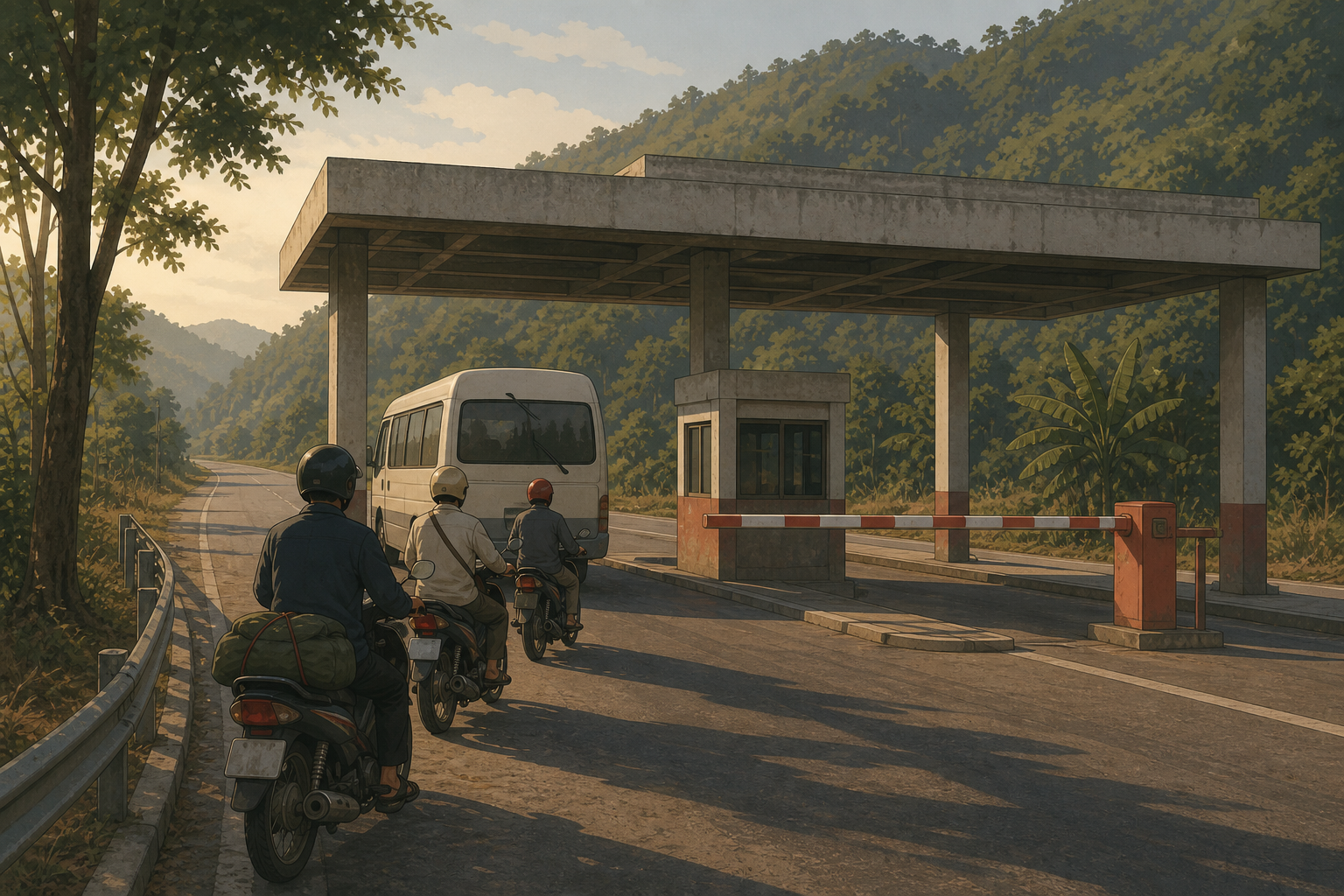
The phasing bothers me more. Indians, Europeans, Chinese and Koreans arrive by air. Malaysians, Laotians, Cambodians and Burmese largely arrive by road. So the draft charges the long-haul visitor twelve months before it charges the neighbour. The stated reason is that land border systems are not ready, which is possibly true, and also means the easiest group to bill gets billed first.
The insurance needs the same scepticism. Cover for death and medical expenses sounds reassuring until you read that it is subject to policy terms nobody has published. Do not cancel your own travel policy on the strength of it, because a scheme funded by a 450-baht levy will not pay for a hospital week in Bangkok.
What I will give the plan is a purpose beyond revenue: insurance, site development, and tourism research and training. If the site development is real, it goes to places like this.

Ayutthaya from Bangkok at ₹2,429 is the best day trip out of the city and the clearest case for the fund existing, because a ruin field that size absorbs maintenance money visibly. Book it as a full day and go early, before the brick heats up.
What to do about it
- Pay nobody today. The fee is not in force and no site is authorised to collect it. Anything asking you for 450 baht now is not Thailand.
- Trips before 2027 are unaffected. If you are flying this winter, this is not your problem. File the digital arrival card and go.
- For 2027, budget ₹1,300 a head on top. If a package quotes taxes and fees for next year, ask in writing whether this one is inside the price.
- Watch the Royal Gazette, not the headlines. Collection starts 180 days after publication there. Until it is published, every start date you read is a target.
- On a Bangkok trip with a hop to Vietnam or Cambodia, the 30-day rule matters. One payment should cover the return leg, so keep the receipt.
What is still unsettled
The revised proposal now goes to the National Tourism Policy Committee and then the Cabinet. Either can change the amount, the phasing or the exemptions, and the business lobby is still pushing to carve out border traders. The collection method is open. The insurance terms are unwritten.
And this fee has a record of slipping. Skift called it a six-year saga when the 450-baht figure resurfaced in August, and Euronews reported last July that an earlier version had been pushed back to 2026. Early 2027 is a target, not a date. Natthriya Thaweevong, the ministry's permanent secretary, has also said the economically appropriate rate would come out above 490 baht, which is the ministry telling you in advance that 450 is a political number rather than a calculated one.
78.3% of 5,954 people said yes to a fee that will be paid by tens of millions. The vote was never the point. The Cabinet is.
Going in the next twelve months, nothing here changes your booking. Planning 2027, put ₹1,300 a head in the spreadsheet and check that your operator has too. And if you cross in by road from Malaysia, you have a year longer than the rest of us.
Read on 7 October 2026. The hearing results, the 8 billion baht target and the minister's comments come from The Nation and the Thaiger of 7 October, with the 80.5% figure also in Thai Enquirer's summary the same day. Consultation dates, submission channels, exemptions and the 30-day re-entry rule come from The Nation of 25 August, the 180-day timeline and collection options from its report of 15 August, and the fund purposes and the 490-baht remark from 12 September. Indian arrival figures are the Tourism Authority of Thailand's, as reported by The Nation in February. Earlier delays are from Euronews and Skift. The baht rate was read on 6 October. None of this is law yet, and our prices are today's, so trust your voucher over this page.