
Thai hotels expect half their rooms empty this month. Book Thailand now, and stay out of Bangkok from 12 October.
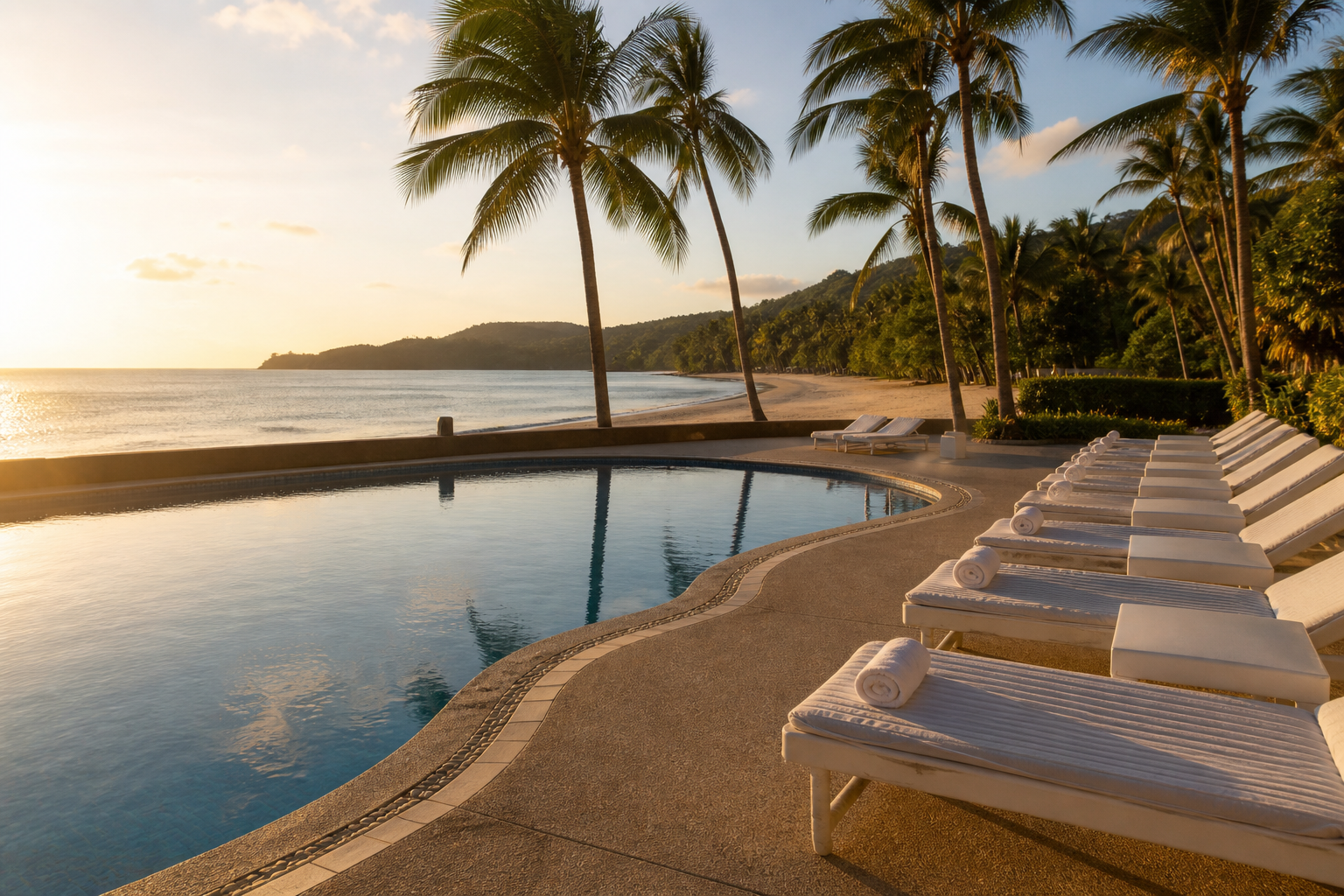
Thailand's Ministry of Tourism and Sports published its latest arrivals count on 21 September. Between 1 January and 19 September the country took 22,183,678 foreign visitors, down 3.67% on the same stretch last year, against tourism revenue of 1.0828 trillion baht. Six days before that, hoteliers told the Bank of Thailand they expect 52% occupancy for September, and said fourth-quarter forward bookings were running below last year's.
Thailand is walking into its three best months of the year with fewer rooms sold than it had this time last year. For anyone booking from India, that is not bad news. It is the first winter in several years where the person paying has some leverage, and the leverage is not spread evenly across the country.
What the ministry actually published
Tourism and Sports Minister Surasak Phancharoenworakul released the running total on 21 September. In the week of 13 to 19 September, 464,200 foreigners arrived, a daily average of 66,314 and 5.72% up on the week before. So the weekly trend is not collapsing. The year-to-date figure is what is short.
India is Thailand's third largest source market for the year, at 1,640,441 arrivals, behind China on 3,728,585 and Malaysia on 2,831,654. In that same 13 to 19 September week, Indian arrivals came to 34,432, which is 13.61% down on the previous week, while Malaysia rose 29.12% and Japan rose 55.36%. That was the week Thailand's visa-free stay for Indians dropped from 60 days to 30. One week does not prove a cause, and the ministry did not claim one.
The hotel side comes from a joint Thai Hotels Association and Bank of Thailand survey of 123 accommodation businesses, run from 14 to 31 August and published on 15 September. Occupancy came in at 64% for August. Operators projected 52% for September. Of those surveyed, 52% expect Thailand to finish 2026 below 32 million foreign arrivals, short of the 32.6 to 33 million the Tourism Authority has been working towards, as the Bangkok Post reported.
Where the slack sits matters more than the national average. Between July and August, southern Thailand went from 49% occupancy to 58%, the lowest region on both readings. Central Thailand went from 68% to 73%. The east barely moved, 60% to 61%. The north fell, 53% to 50%.
The Indian part of it
The Bank of Thailand has been tracking this market specifically. At a briefing on 31 August, Pranee Sutthasri of the bank's macroeconomic department said Indian arrivals fell 11.6% year on year between 1 and 22 August, after a 20.2% contraction in July. The bank linked the drop to the proposed revisions to visa exemption rules.
That explanation has a hole in it. The 30-day rule only took effect on 15 September, and a rule not yet in force cannot have emptied July flights. What moves a market that fast is the announcement itself, agents repricing around it, and travellers deciding to wait. Whatever the cause, two months of double-digit decline in the third biggest market makes a sales director take your call.
The currency gives nothing back. One baht is running at roughly 2.87 rupees, so a 3,000 baht hotel night is about ₹8,600 and a 450 baht entrance about ₹1,290. Any discount you win comes off the baht price.
What soft demand buys you, and what it does not
In the July round of the same survey, close to half of operators across every star rating said they expected average room rates below the previous year's. That is hoteliers describing their own pricing, which is as good as this kind of signal gets. The cutting has concentrated in three and four-star properties on the southern beaches. Higher up, hotels have held published rates and given ground on inclusions instead, so the useful ask at a five-star is breakfast for two, a room category up or a late checkout, not 20% off.
Three things soft occupancy does not touch. Airfare from India is set by how many seats airlines put on the route, not by how many Thai beds are empty, so a quiet Phuket does not make a cheap Mumbai to Phuket ticket. Attraction tickets are set by operators and mostly do not move. And two-tier pricing, where a foreign adult pays more than the Thai rate, is unaffected.
The week to keep out of Bangkok
Bangkok is the exception to all of the above. The International Monetary Fund and World Bank Group hold their 2026 Annual Meetings in the city from Monday 12 October to Sunday 18 October, the second time Thailand has hosted them after 1991. Thousands of delegates on expense accounts land in a city whose central occupancy was already the healthiest in the country at 73%. Book either side of that week, or you will be bidding against finance ministries for a room.
The better Bangkok window is later. Vijit Chao Phraya runs from 13 November to 13 December, with lighting and projection installations on both banks of the river, and walking it costs nothing. The firework, drone and performance dates had not been published as of late September.
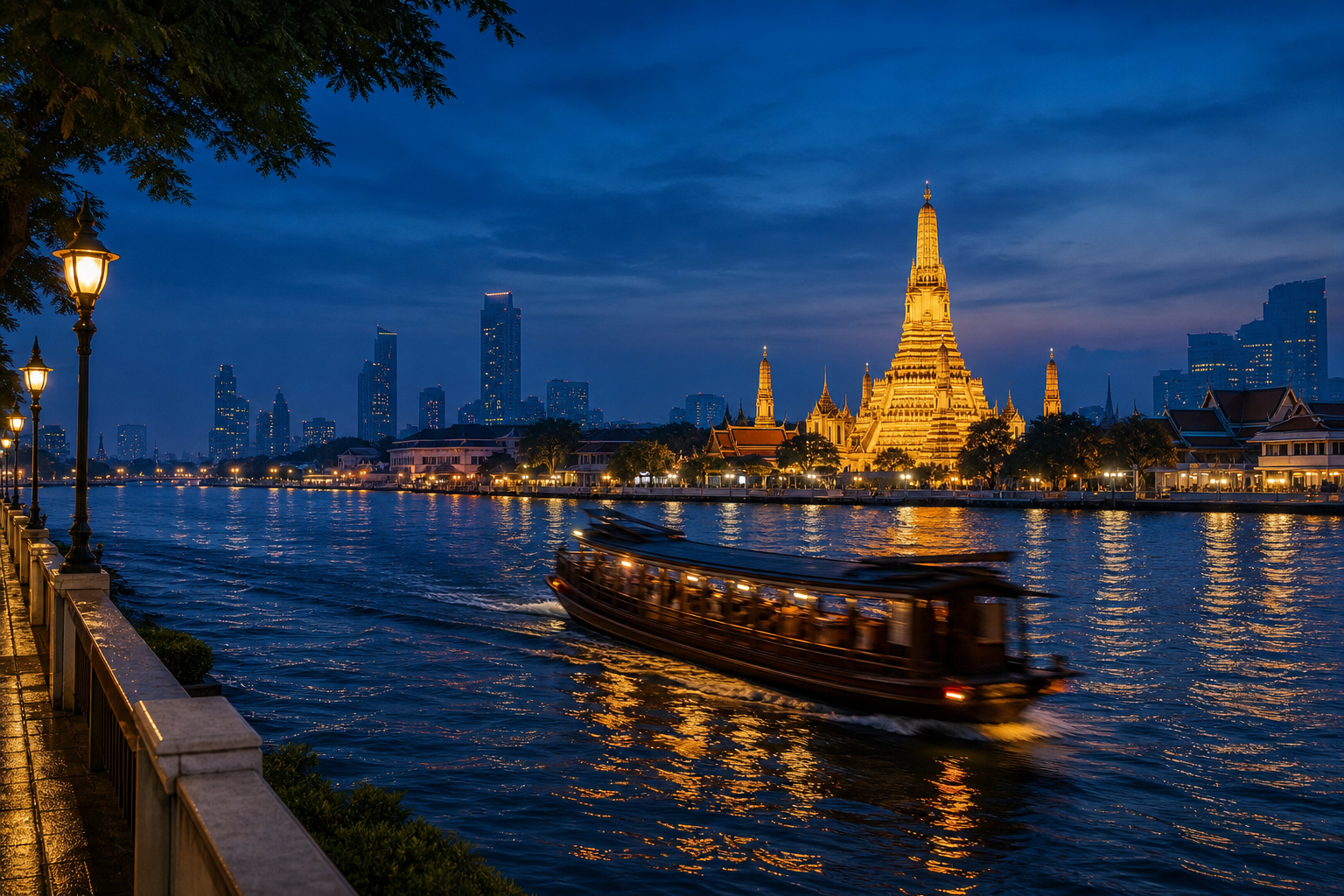
Two ways to see the river during it, at very different prices.
The hop-on boat at ₹370 is the better buy by a distance, and during Vijit it is the cheapest river view in Bangkok. The dinner cruise at ₹2,729 is worth it on one night only, if you want to eat while the banks are lit, and the food is not the reason you are there.
Where to spend the soft season
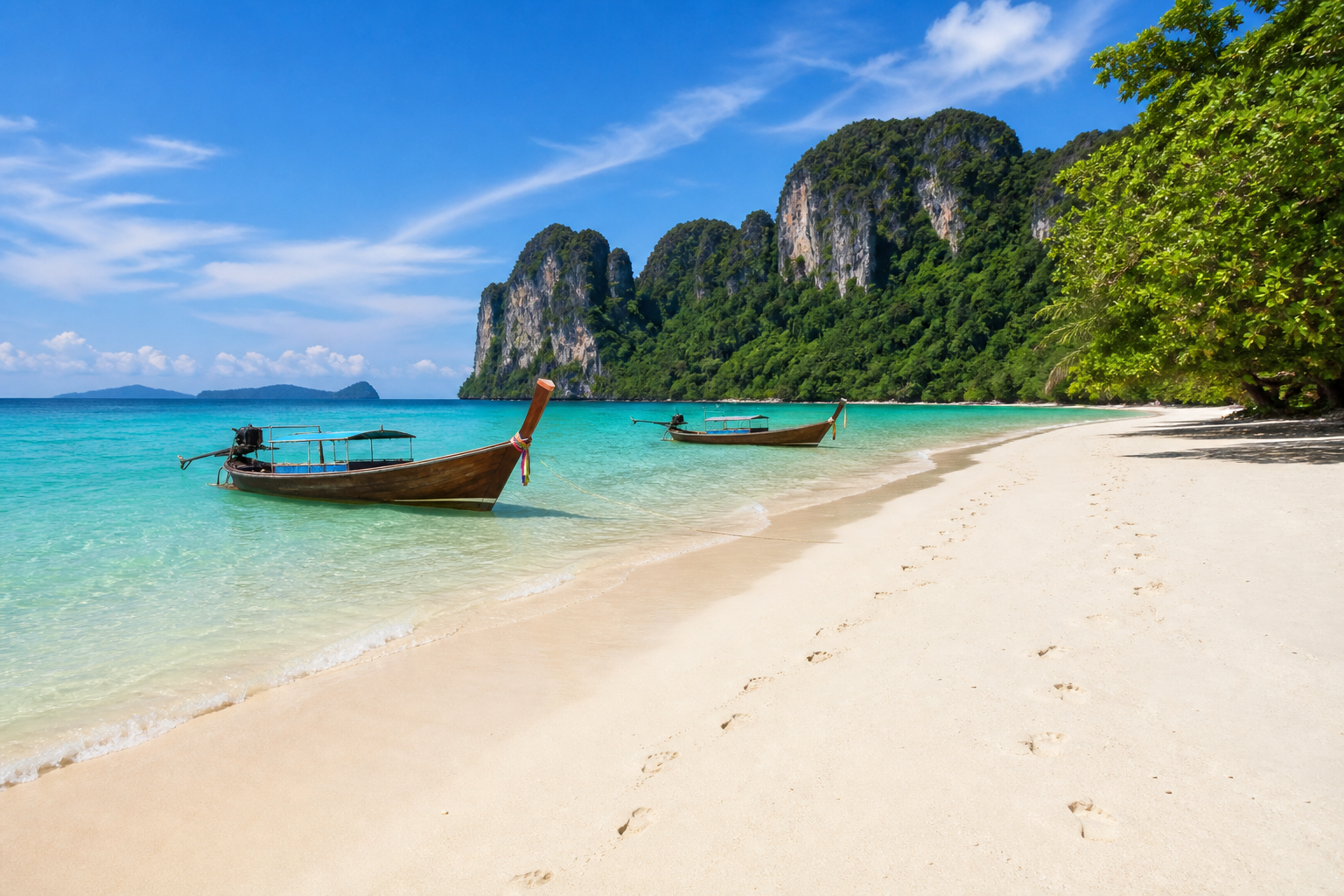
The south has the weakest occupancy and the real rate cutting, which makes Phuket and the Andaman coast where this winter's trip belongs. The attractions there did not get cheaper. The bed did.
The city join tour at ₹1,365 is the one to book first, because Phuket town, Big Buddha and Promthep Cape are scattered and island taxis are expensive. Hanuman World at ₹964 is the cheapest half-day here and the ziplines run in light rain, useful in a month that still gets showers. Andamanda at ₹5,136 is a lot for a water park and only earns it with children along, on a day the sea is too rough to swim.
The paperwork has not got easier
- Visa-free entry for Indians is 30 days, not 60, from 15 September 2026. Plan the trip inside 30 days or apply for a tourist visa before you fly.
- Carry proof of funds. The Tourism Authority's July guidance lists 10,000 baht per person or 20,000 per family for some visa-exempt arrivals, while several Royal Thai embassies state 20,000 and 40,000 under the exemption scheme. At ₹2.87 to the baht, 20,000 baht is about ₹57,400. Under-12s are not asked. The rule is decades old and enforcement is patchy, which is why it catches people.
- Thailand's proposed 450 baht entry fee, about ₹1,290, is still a proposal. It is not being collected.
- Fill the Thailand Digital Arrival Card before you land, on the official immigration site rather than whichever result ranks first.
What could still go wrong with this
A 52% occupancy projection is a survey expectation, not a rate card. Hotels can hold out, and rates in a soft market fall latest and hardest close to the date, which suits nobody booking leave and flights months ahead.
Then there is why the market is soft. The shortfall has been put down through the year to safety perception and the knock-on from regional conflict, and hoteliers in the August survey were hoping the fourth quarter would come back to what they called pre-conflict levels. That is a reason to read conditions for your own dates, not only to enjoy a discount. Check advisories and the forecast for the coast you are booking, and buy insurance that covers a cancellation.
Soft demand is a discount on the room. It is not a discount on the flight, the tickets or the risk.
If your dates are flexible, this is the winter to go. Book the Andaman coast, ask for inclusions rather than a lower headline rate, keep Bangkok out of 12 to 18 October, and put the city at the end of the trip in the second half of November when the river is lit.
Figures come from Thailand's Ministry of Tourism and Sports, the Bank of Thailand, the Thai Hotels Association accommodation confidence survey, the Tourism Authority of Thailand, the International Monetary Fund and reporting in The Nation, The Star and the Bangkok Post, read on 28 September 2026. Arrivals data is preliminary and revised. Hotel rates move weekly.