
Malaysia's visa-free entry for Indians expires in 100 days. Nobody has said what comes next.
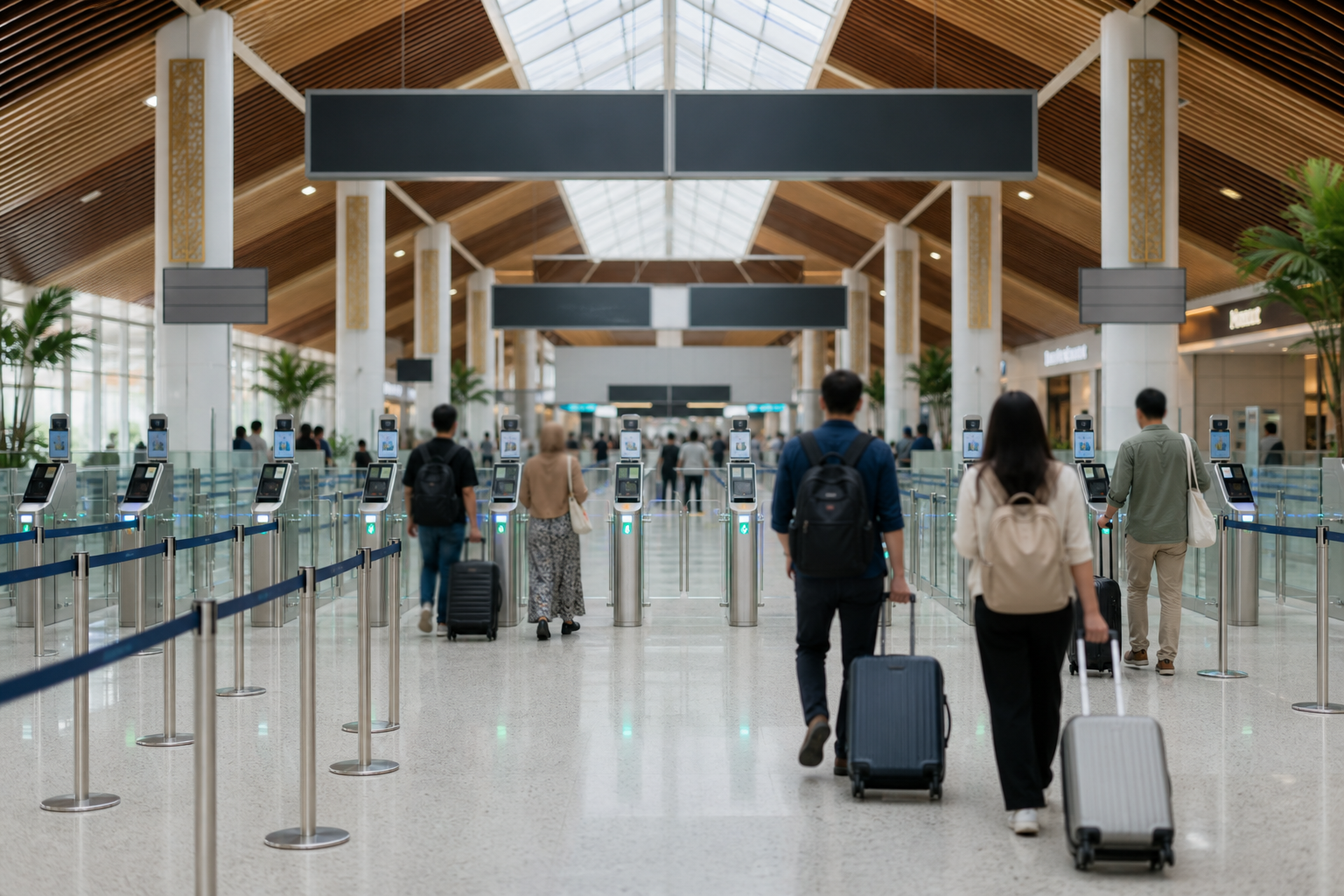
Malaysia's visa-free entry for Indian passport holders expires on 31 December. That is 100 days from today, and nobody on either side has announced what replaces it.
Malaysia has extended this arrangement before and will very likely extend it again. But "very likely" is doing a lot of work in that sentence, and if you are pricing a January trip this week, very likely is not something you can put in a budget.
What the rule is right now
Indian nationals enter Malaysia without a visa for up to 30 days. The Immigration Department's own country-by-country page says it in six words: India citizen, visa exempts until 31st December 2026. You get a Social Visit Pass at the counter. Fragomen's reading of the policy notes that the pass cannot be extended inside Malaysia, so a longer stay means leaving the country and coming back in. Work and study are excluded and still need a proper visa.
One piece of paperwork survives the exemption. The Malaysia Digital Arrival Card is mandatory, it is free, and you file it before you fly at the immigration department's own MDAC site. Malaysia's High Commission in New Delhi lists it next to the other conditions: six months of passport validity, a confirmed return ticket, a hotel booking. The MDAC is the one people forget, and it is an annoying thing to be sorting out on your phone in the queue at KLIA at six in the morning.

The date is not new. The quiet is.
Anwar Ibrahim announced 30-day visa-free entry for Indian and Chinese travellers in November 2023, and it started on 1 December that year with an end date of 31 December 2024. In December 2024, Home Ministry secretary-general Datuk Awang Alik Jeman confirmed the extension to the end of 2026. Bernama, the Star and Malay Mail all carried it. The ministry tied the decision to two things: Malaysia's turn as ASEAN chair in 2025, and the run-up to Visit Malaysia Year 2026.
Which is the part worth sitting with. The exemption was scoped to the campaign, and the campaign ends the same week the exemption does. That is not an accident of drafting. It means somebody in Putrajaya has to make a fresh decision, and as of today there is no public sign that they have.
China got a treaty. India got a deadline.
The contrast is sharper than most coverage admits. China and Malaysia signed a mutual visa exemption agreement that came into force on 17 July 2025. According to the Chinese government's own announcement and the embassy's FAQ in Kuala Lumpur, it allows 30 days per entry with a cumulative cap of 90 days in any 180, and it runs for an initial five-year term that renews automatically unless one side cancels it through diplomatic channels.
India's arrangement is not a treaty. It is a unilateral administrative decision by the Malaysian Home Ministry, granted in two-year blocks, with an expiry date printed on it. Chinese travellers planning a trip for March 2027 know exactly where they stand. Indian travellers planning the same trip do not.
India has its own clock running, too, and it stops on the same day. The Indian High Commission in Kuala Lumpur extended free 30-day double-entry e-Tourist visas for Malaysians until 31 December 2026, an arrangement that started in July 2024. Two governments, two expiry dates, one date.
What it costs you if it lapses
This is the part that decides whether you should care. Malaysia's High Commission in New Delhi publishes the fallback options, and they are not catastrophic.
- The eVISA carries a visa fee set by nationality, plus a RM105 processing fee, plus a convenience charge of 0.8 per cent on card or 1.7 per cent on e-wallets. At today's rate of about ₹23.49 to the ringgit, RM105 alone is roughly ₹2,470 a head before the visa fee itself.
- Visa on arrival costs RM200, near enough ₹4,700, and buys only 15 days. It is also restricted: you have to be arriving from Singapore, Thailand, Indonesia or Brunei, at designated entry points. It is no use to anyone flying Mumbai to Kuala Lumpur direct.
So a family of four could be looking at something near ₹10,000 in processing fees before the actual visa charge, for a trip that costs them nothing today. Money is the smaller problem. Lead time is the bigger one. Visa-free travel is what makes a four-day Langkawi weekend bookable eleven days out, and that flexibility is the thing that quietly disappears if this lapses.
The numbers say they will renew it
Every commercial signal points to an extension. Indian arrivals in Malaysia went from 1.36 million in 2024 to 1.56 million in 2025, a rise of 14.6 per cent. India is Malaysia's fifth-largest source market. Tourism Malaysia has been quoting a 2026 target of 2.1 million, though its New Delhi office told Malay Mail last December that it was chasing 2.5 million, which tells you something about how fluid the planning is.
The air capacity has been built to match. Tourism Malaysia counts 238 weekly direct flights linking 14 Indian cities, close to 47,400 seats a week, across Malaysia Airlines, AirAsia, Batik Air, Air India and IndiGo. Malaysia Airlines added a daily Thiruvananthapuram service last December. Nobody adds a daily to Kerala and then makes the passengers apply for a visa.
That is the reasonable bet. It is not a guarantee, and Malaysia has already shown it will tighten these things when it wants to: the China arrangement, for all that it is permanent, came with a 90-day cap that the trial version did not have.
What to do with the 100 days
- Travelling before 31 December: nothing changes. Book as normal, file the MDAC, carry the return ticket and hotel booking.
- Travelling in January or later: do not assume visa-free. Check the Immigration Department page at imi.gov.my before you book non-refundable flights, and check it again a fortnight before you fly.
- Booking a 2027 package through an agent now: get it in writing whether visa costs are included if the exemption lapses. Nobody's contract mentions this yet, and somebody will be asked to swallow it later.
- If you have been putting off a Malaysia trip, the window between now and New Year is the cleanest it will be. Flights into the December holidays are the expensive part, not the paperwork.
- File the MDAC yourself at the official immigration site. It is free. Paid lookalike sites already exist, and they will multiply if a visa fee ever returns.
If you do go inside the window, the honest advice is to stop treating Kuala Lumpur as the whole trip. Genting is the easy one, an hour and a half out of the city, and the day trip with the cable car is worth it for the ride up through the cloud line more than for anything at the top. The Langkawi SkyCab is the best-value ticket in Malaysia and it is not close, though go early because the queue by eleven is genuinely grim. Penang deserves more than a half day, but if a half day is what you have, the Georgetown island tour is a sane way to see why people move there.
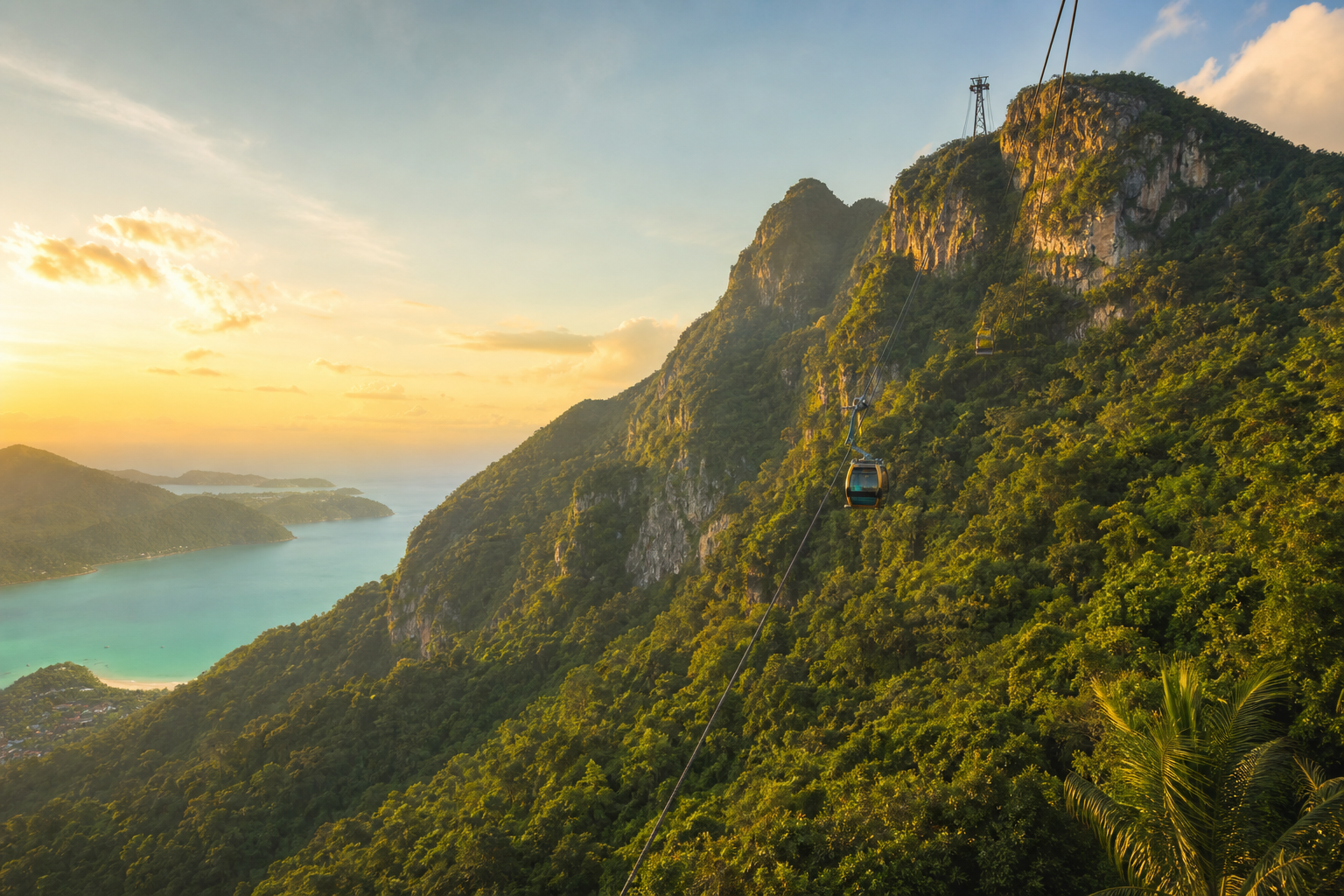
And if you get to Langkawi, give the mangroves a morning. The JungleWalla geopark cruise goes into the limestone channels at the north of the island, and it is the rare boat trip that is better at low tide and better with a guide who knows what the eagles are actually doing.
What is still unclear
Most of it, which is the problem. No Malaysian minister has said publicly what happens on 1 January. Nobody has said whether an extension would be another two years or a permanent arrangement like China's. Nobody has said whether a renewed exemption would keep the flat 30 days or pick up a rolling cap. And nobody has said whether India's free e-Tourist visa for Malaysians gets extended alongside it, though the two have moved together so far.
There is also a decent chance this gets announced in the last fortnight of December, because that is exactly what happened in 2024. The extension landed on 20 December, eleven days before the old one ran out. Anyone booking a February holiday in November had no idea.
Assume it gets renewed. Do not book a January trip as though it already has.
Check imi.gov.my before you pay for anything non-refundable in 2027. It is a boring page and it is the only one that counts.